
How to Clean Marble, Natural Stone and Fine Surfaces Safely
By Royal Caspian · October 25, 2026 · 5 min read
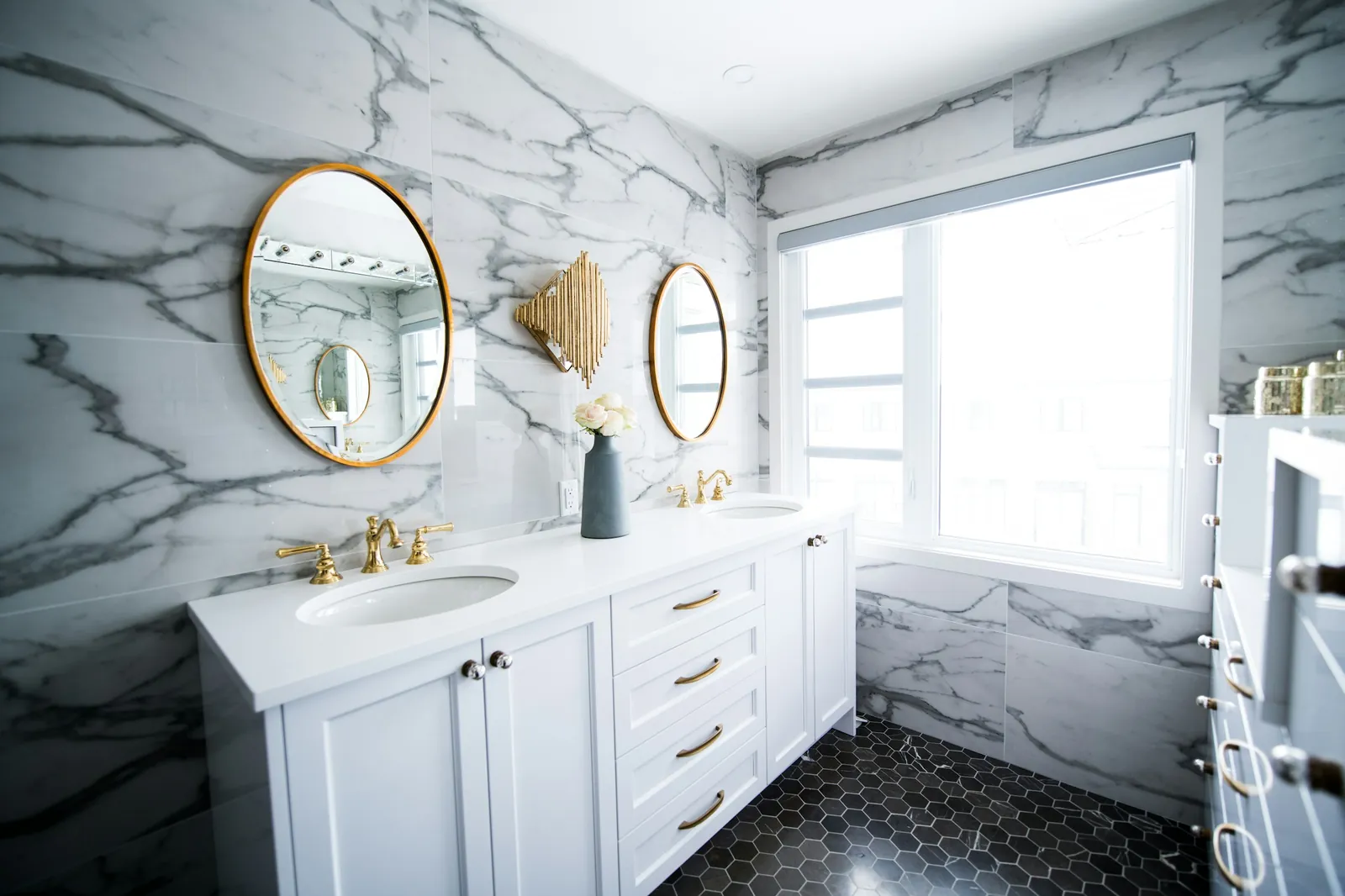
The most expensive finishes in a home are often the easiest to damage. Etching, dulling and staining are almost always caused by well-meant cleaning with the wrong product. These are the principles professionals follow.
Marble and natural stone
Calcium-based stones such as marble, limestone and travertine react to acids. Vinegar, lemon, many bathroom sprays and some “all-purpose” cleaners can leave permanent dull etch marks.
- Use a pH-neutral cleaner made for natural stone
- Wipe spills promptly — wine, coffee and oil can stain
- Use soft microfibre cloths; avoid abrasive pads and powders
- Re-seal on the schedule recommended by your installer
Brass, gold-tone and plated fixtures
- Clean with a damp soft cloth and mild soap, then dry immediately
- Avoid abrasive polishes on lacquered or plated finishes
- Check whether the finish is lacquered before polishing
Lacquered and veneered wood
- Dust with a dry microfibre cloth first to avoid scratching
- Use a barely damp cloth, never soaking wet; dry straight away
- Avoid silicone sprays that build up and cloud the finish
Glass, mirrors and screens
Use a clean microfibre cloth and a streak-free glass product; work top to bottom and finish with a dry cloth. Descale shower glass regularly so mineral deposits never bond.
When to call a professional
If a surface is expensive to replace — or you are unsure what it is — a trained team that chooses products per material is cheaper than a repair. Ask any provider how they decide what goes on which surface.
Want this handled for you?
A private consultation takes minutes and there is no obligation.